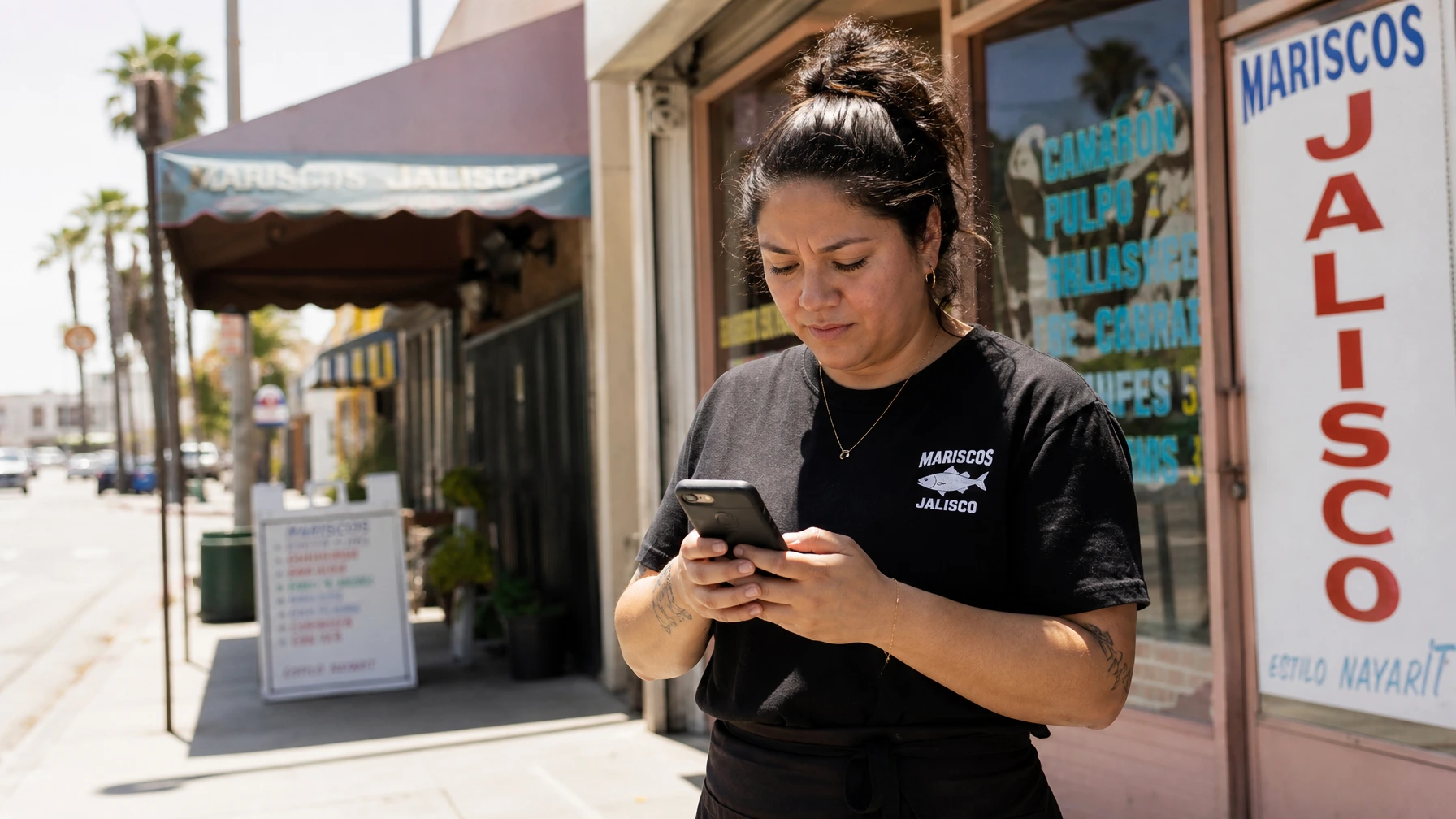
It’s 9:15 PM. A homeowner in Walnut has water coming up through a floor drain. They grab their phone, search Google, and pull up three plumbers in the Map Pack.
The first one has no website chat. The second has a contact form. The third has a chatbot that says: “Hi, we do emergency service calls in the Covina and Walnut area. Can I get your name and address so we can call you back in the next 15 minutes?”
The third one gets the job.
You were asleep. Your chatbot wasn’t.
The real cost of being unavailable after 5 PM
Most small businesses in the SGV treat their website like a brochure. It exists. It explains what you do. And then it sits there at 9 PM doing nothing while potential clients decide whether to wait until morning or just call someone else.
Consumer expectations don’t stop at business hours. A homeowner with a problem, a person shopping for a consultation, a customer comparing quotes. They’re searching when it’s convenient for them, not when it’s convenient for you.
If your site can’t respond after hours, you’re handing those leads to whoever can.
What lead triage actually means
Lead triage is a simple idea. Not every inquiry needs you personally. Some questions just need an answer.
“Do you service Walnut?” Yes.
“How much does a basic consultation cost?” Here’s our starting rate.
“Can I book for this Saturday?” Here’s the link.
An AI chatbot handles that tier of questions instantly. The ones that need you (specific job scopes, custom quotes, anything complex) get logged with contact details so you can follow up in the morning.
That’s lead triage. The chatbot handles the easy stuff. You handle the rest. Nothing falls through the cracks.
What happens while you sleep
Here’s the actual workflow once a chatbot is set up on your site:
- A visitor lands on your site after hours
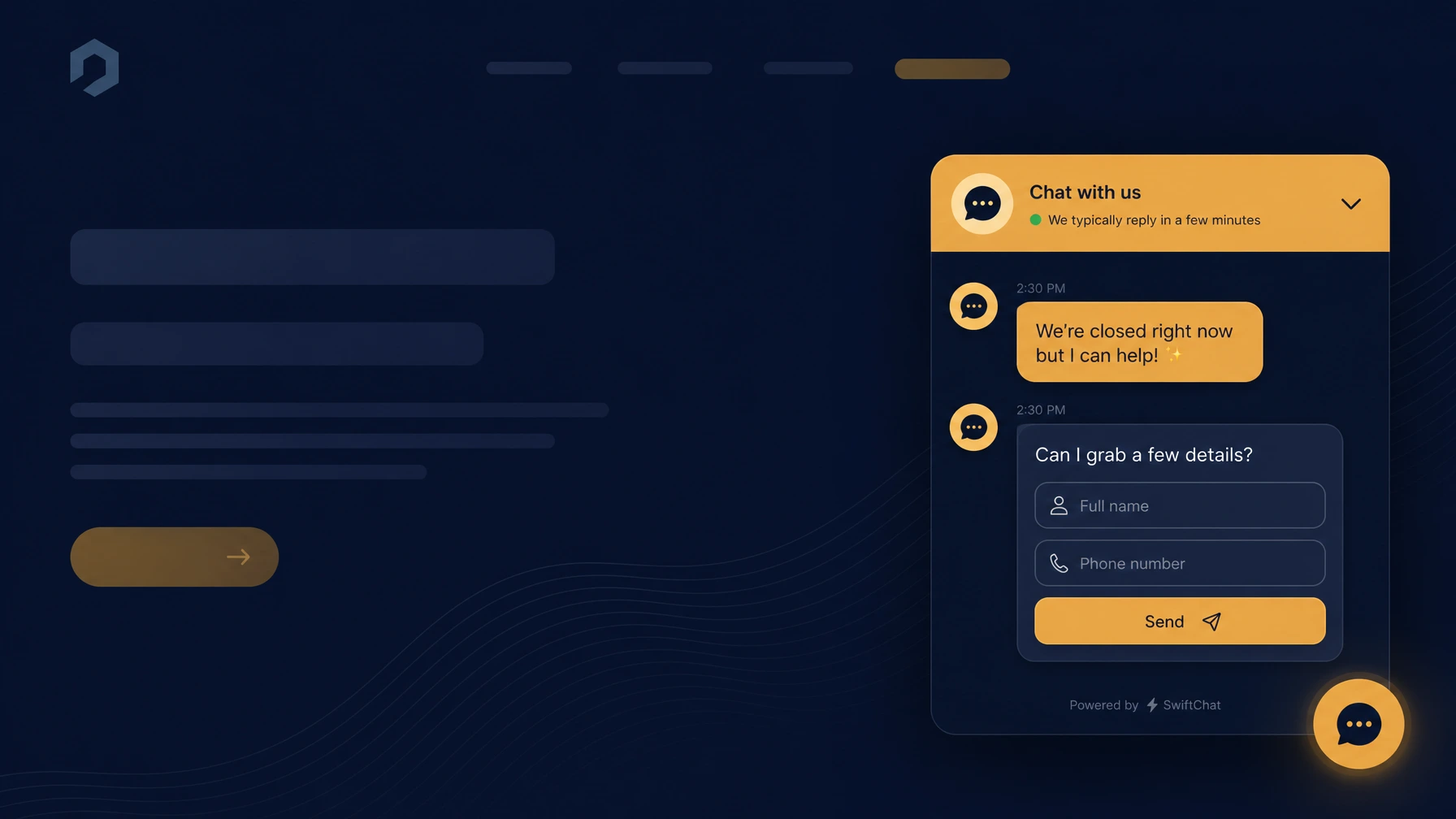
- The chatbot greets them, answers basic questions about your services, pricing, and availability
- If they want to move forward, the chatbot asks for their name, phone number, and a brief description of what they need
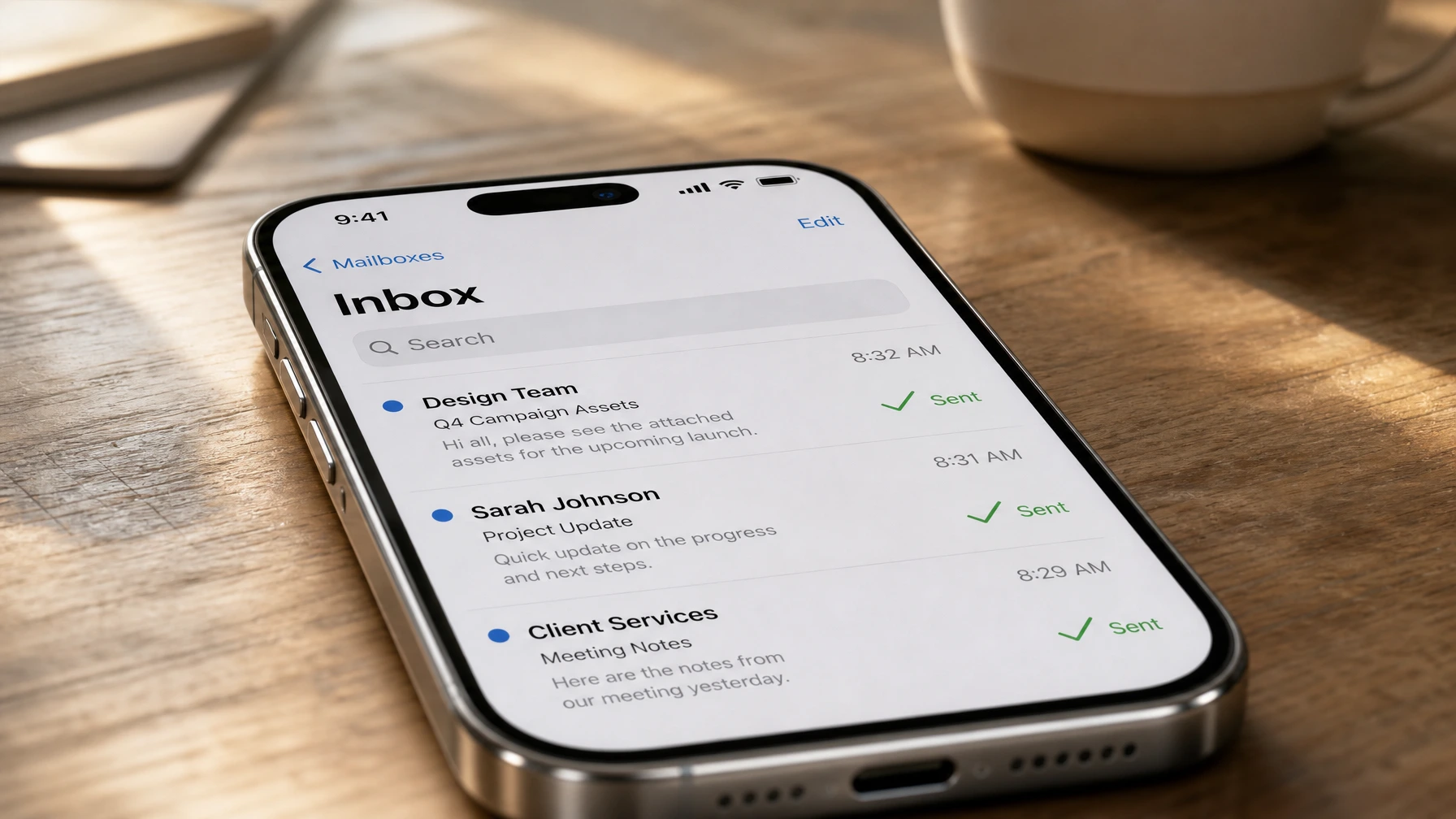
- That information gets logged automatically into a Google Sheet or forwarded to your email before you’ve even woken up
- You check it in the morning and call back the people who are ready to book
No phone tag. No lost leads. No waiting on a contact form that might sit in your inbox for two days.
The businesses I’ve set this up for in West Covina and Covina consistently tell me the same thing: they’re surprised by how many people were reaching out late at night that they never knew about.
This isn’t the annoying pop-up chatbot you’re thinking of
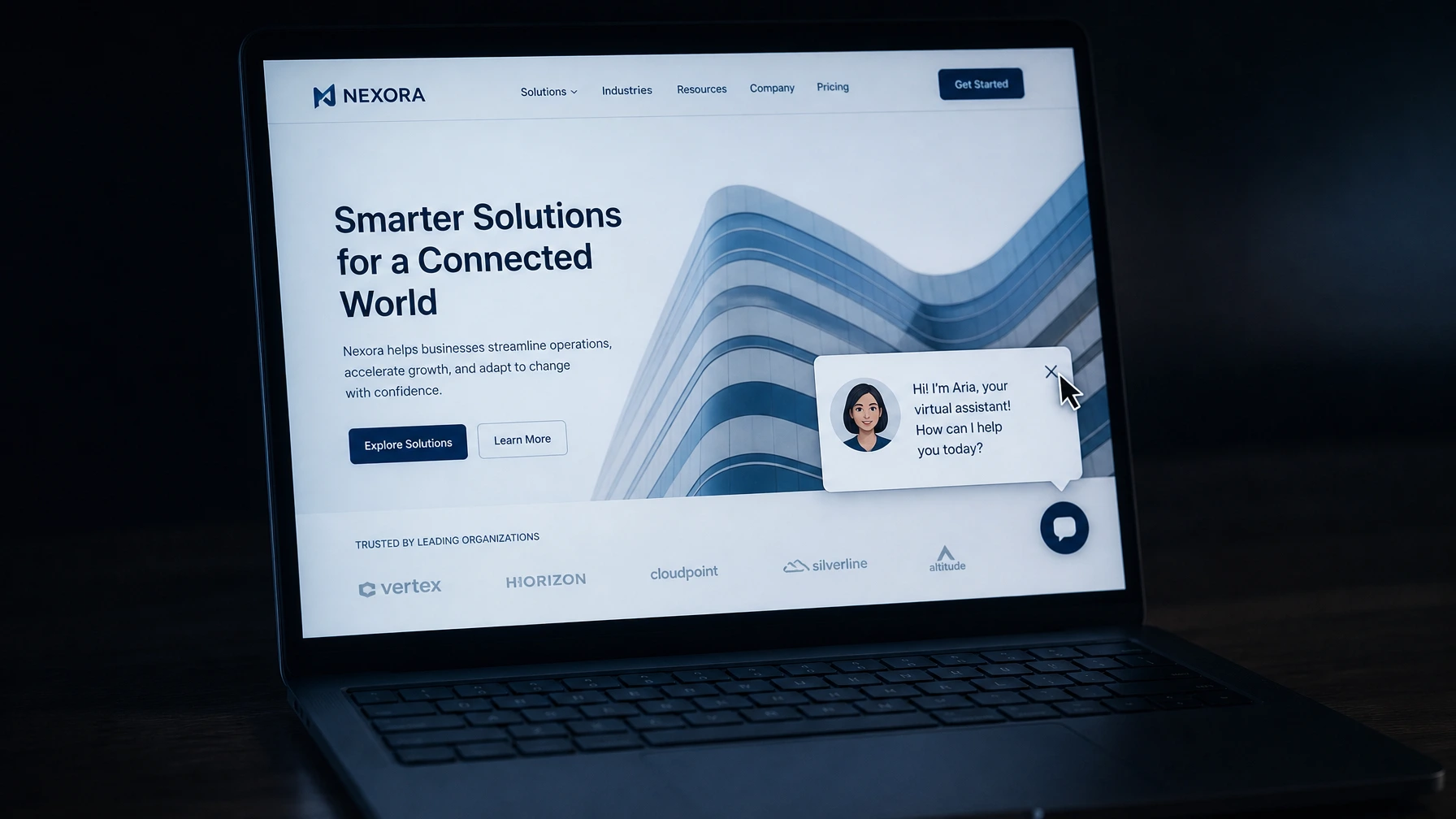
I know what you’re picturing. A chat window that jumps out before you’ve read a single word on the page, with a cartoon avatar asking if you need help.
That’s not this.
A well-built chatbot sits quietly in the corner of your site. It doesn’t interrupt. It’s there when someone goes looking for it. And they will look, if they have a question and your phone isn’t picking up.
The key is training it on your actual content. Your services. Your service area. Your pricing range. Your booking process. A chatbot that knows your business gives real answers. One that doesn’t gives vague non-answers that make people distrust you.
Setup matters more than the tool.
What it costs and what you get
I install AI chatbots for SGV small businesses starting at $150.
That covers setup, training on your services and FAQ, integration with your website, and connecting it to a Google Sheet so every lead gets captured automatically. You don’t need a subscription to a complicated platform. You don’t need to learn any software.
For businesses that already have a follow-up system or CRM, I can connect the chatbot there instead.
The $150 is a one-time installation fee. Depending on which tool fits your site best, there may be a small monthly platform cost, typically $20 to $40 a month. I’ll tell you upfront before anything gets set up.
If the chatbot captures one job you would have otherwise lost to a faster competitor, it’s paid for itself before the first month is out. For a plumber in Walnut or a salon in Covina, one after-hours booking is usually worth a lot more than $150.
Who this actually makes sense for
A chatbot is worth the investment if:
You get repeat inquiries after hours. Check your missed calls. If you’re regularly getting voicemails after 6 PM, people are looking for you when you’re not available.
You serve a competitive local market. Plumbers, electricians, contractors, salons, consultants, med spas. Any service business in the SGV where a customer has three or four options and will call the first one that responds.
Your website already gets traffic. A chatbot on a site that no one visits won’t help. If you’re not sure what kind of traffic you’re getting, I can check that for you in about five minutes.
If you’re mostly referral-based and your clients already have your cell number, a chatbot probably isn’t your priority. Fix the foundation first: reviews, Google Business Profile, a site that actually explains what you do.
But if you’re getting organic traffic and losing leads after hours, this is one of the cheapest problems to fix.
Here’s what setting one up actually involves, including pricing.
This matters most for trades, where the call is urgent and the caller will not wait until morning. Websites for plumbers goes into what that looks like specifically. If you are in Covina or Walnut, I am ten minutes away.
Ready to stop missing after-hours leads? Book a free 30-minute chat and I’ll tell you whether a chatbot makes sense for your business and what it would take to set one up.