This morning, Microsoft cut 4,800 jobs. Xbox. Commercial sales. Engineers.
That brings the total tech industry layoffs in just the first half of 2026 to around 154,000 people. Meta, Oracle, Amazon, Cognizant. All made significant cuts. And in nearly every announcement, someone in a suit says a version of the same thing Microsoft’s chief people officer said today:
“AI is changing how work gets done.”
So if you’re a small business owner in West Covina or anywhere in the San Gabriel Valley, and you’ve been watching this news and wondering what it has to do with you, here’s my honest read.
What’s actually happening at these big companies
The pattern is consistent. A big tech company announces layoffs. A big tech company also announces a massive AI investment. Microsoft cut 4,800 people this week and is simultaneously putting $2.5 billion into a new AI deployment unit.
That’s not a coincidence. It’s the model: replace certain categories of work with AI tools, redeploy some people into new roles, and let go of the rest.
Microsoft’s CPO was careful to say the eliminated roles “are not being replaced by AI.” But she also said: “Some of the tasks we do every day can now be automated.”
That distinction matters less to someone who just lost their job. But it matters a lot to you as a business owner trying to figure out what this wave actually means.
What it doesn’t mean for your small business
It does not mean AI is coming for your plumbers, your stylists, your baristas, or your staff.
The jobs taking the biggest hit right now are roles built around processing, organizing, and communicating information at scale. Customer data analysis. Software testing. Ad campaign management. Internal documentation. Tasks that big companies hired hundreds of people to do, and that AI can now handle with less headcount.
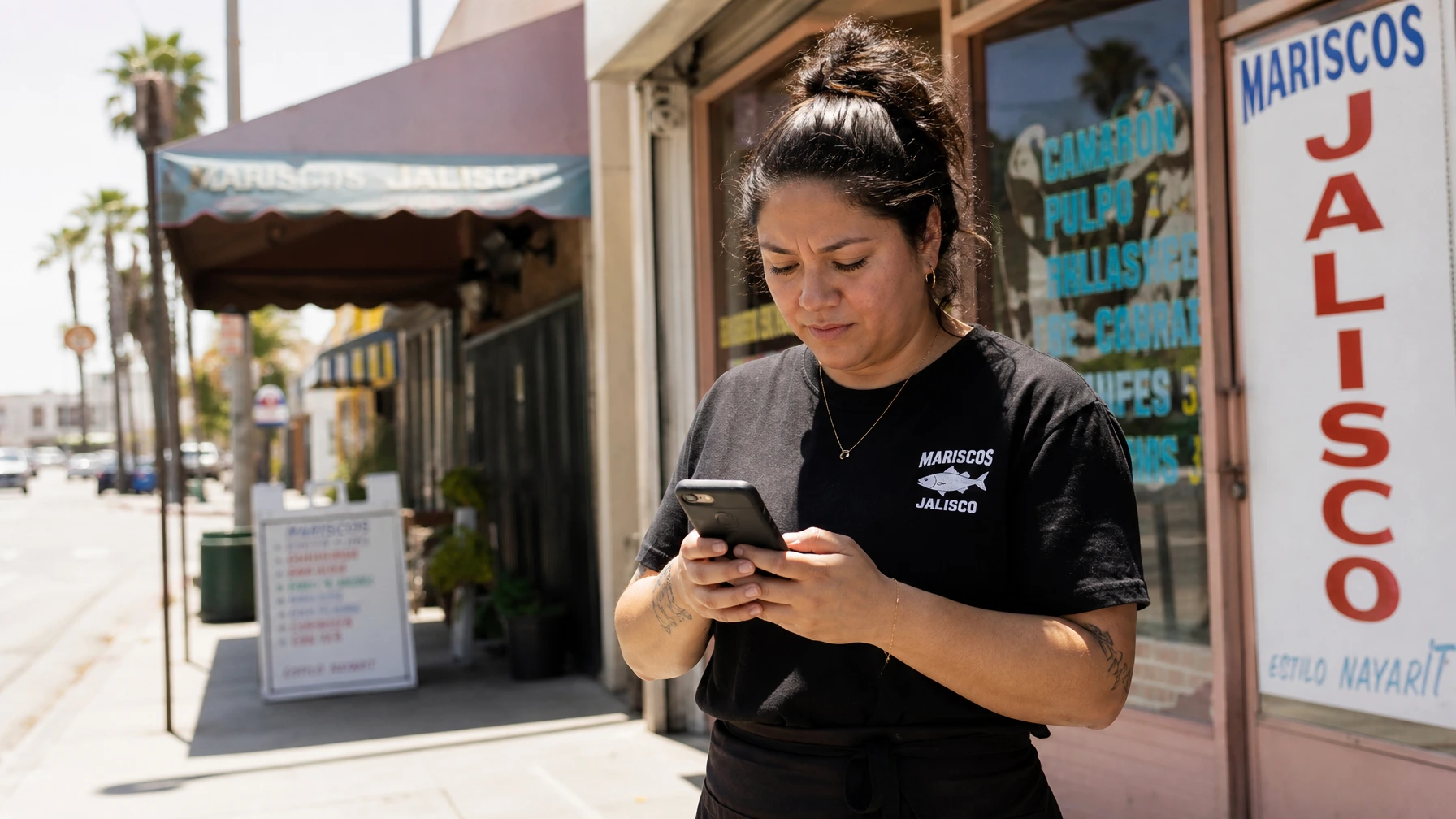
A small business in Baldwin Park with six employees is not structured like Microsoft. You’re not running a 200-person content operations team that can be replaced by a language model.
The honest truth: the AI panic that’s been in the headlines has very little to do with daily operations at a small business. You are not the target of this wave.
What it does mean
Here’s the part worth paying attention to.
The tools that are replacing work at big companies are becoming cheaper and more available every month. And some of those tasks that used to require a full-time hire? You may be doing them yourself right now, manually, in the cracks between real work.
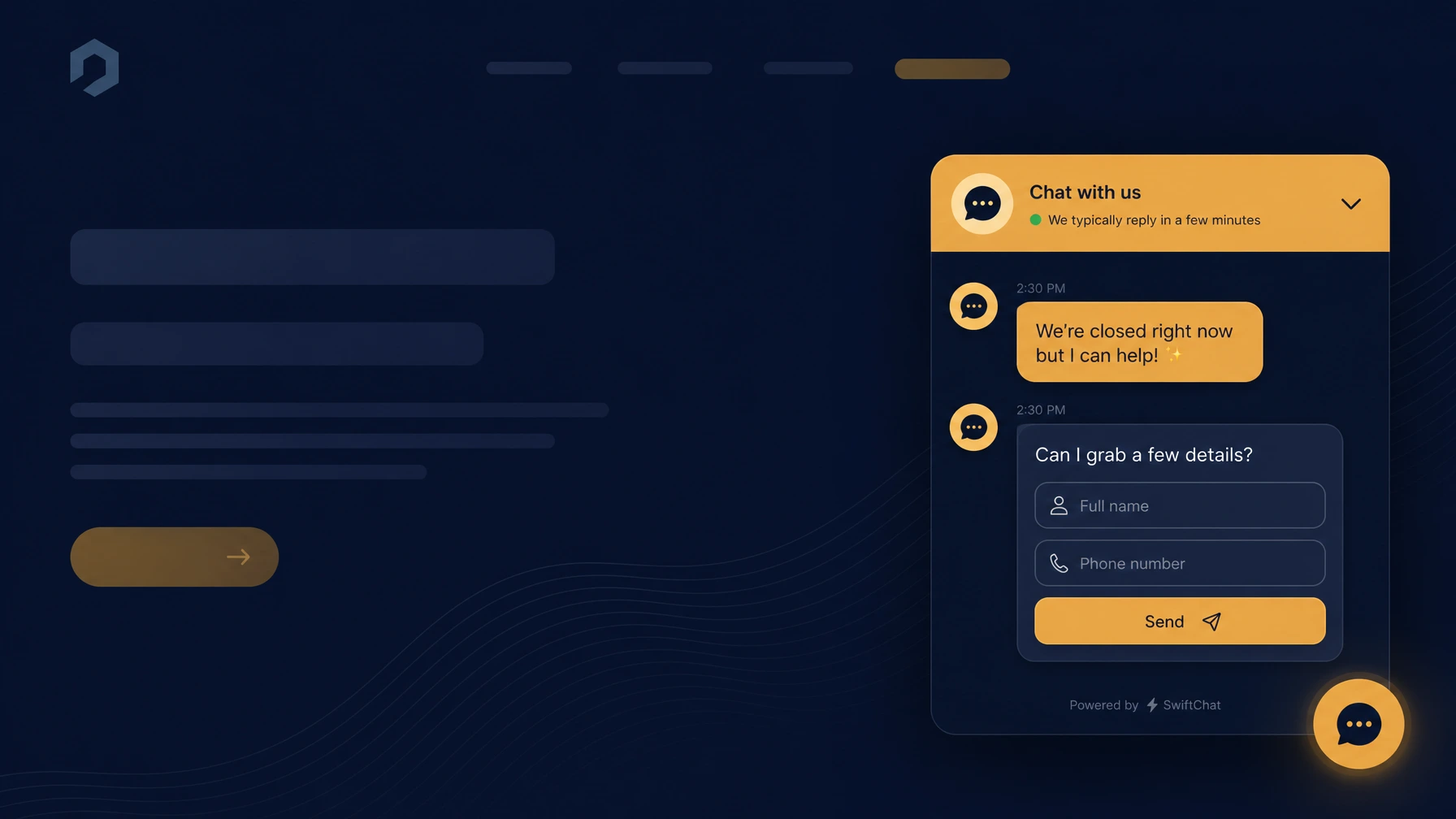
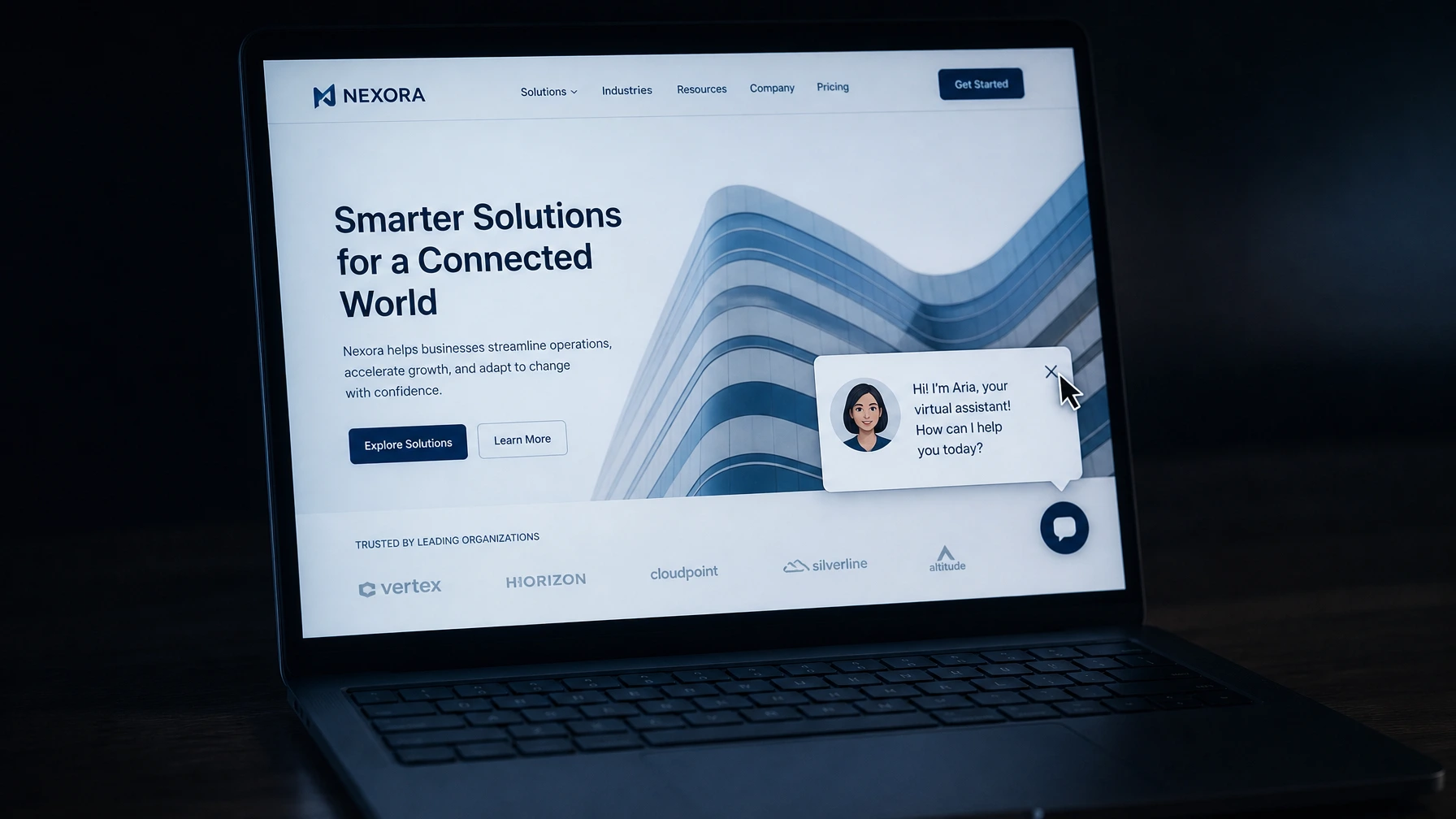
Answering the same questions over and over. Every week, a variation of “what are your hours,” “do you do X,” “how much does it cost” lands in your inbox or DMs. An AI chatbot handles that.
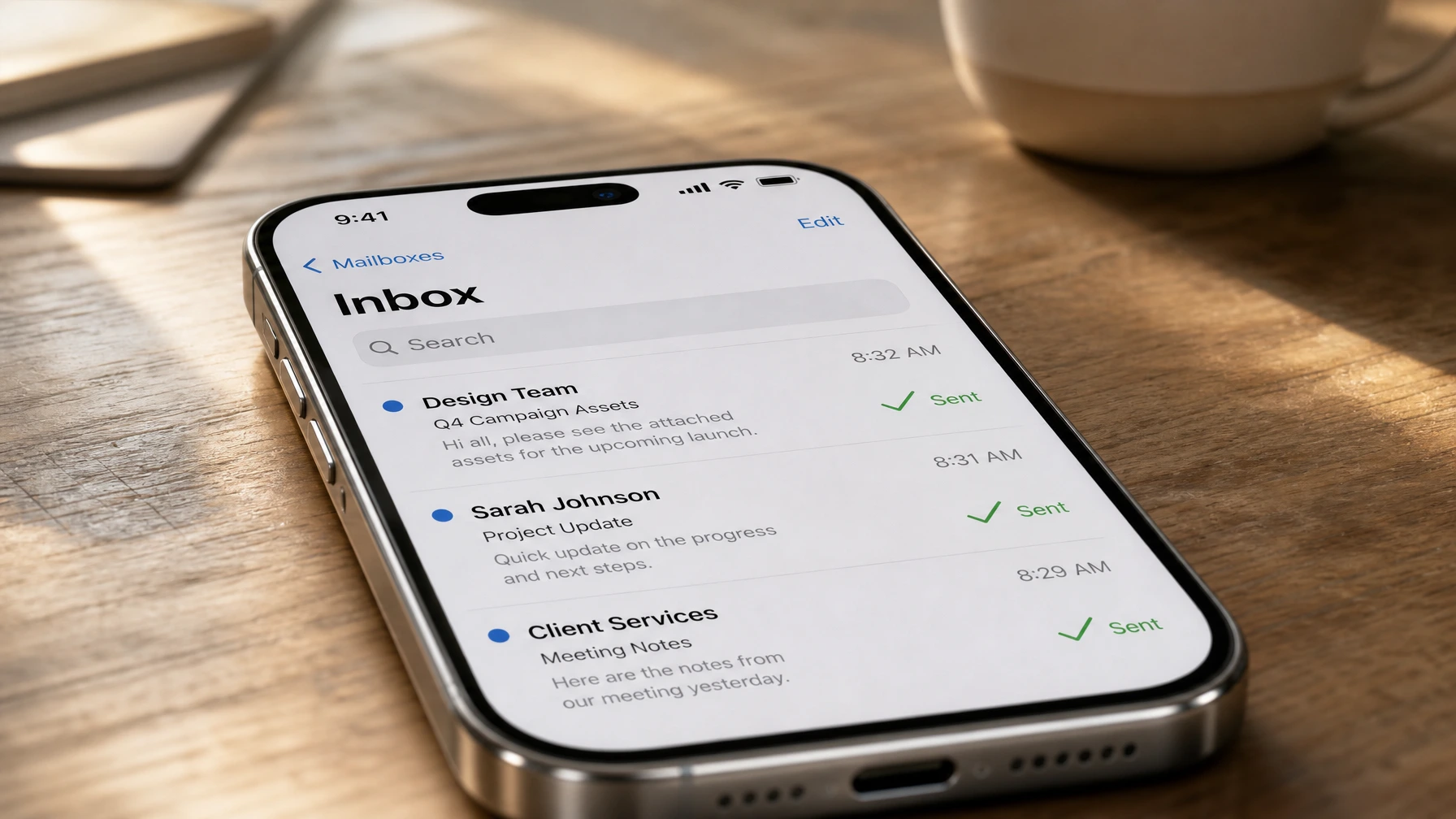
Following up with leads who went cold. Most small businesses I talk to in the SGV lose a third of their potential customers not because the customer said no, but because nobody followed up. Automating that sequence is not complicated. I did it with n8n for free.
Writing first drafts. Estimates, proposals, email responses, social captions. AI writes a usable first draft in 30 seconds. You edit it. That’s a real time save.
These are not scary uses of AI. They’re just tasks you’re currently doing by hand that don’t need to be.
The question worth asking
The tech executives announcing layoffs keep saying some version of: “Companies don’t get to choose whether their industry changes. They only get to choose whether they change with it.”
That’s a little corporate. But the underlying question is real.
Not “will AI take my employees’ jobs.” Because for most small businesses, the answer is no, not in any immediate way.
The better question: are there tasks in your business you’re doing manually today that could be handled automatically? Not because you have to automate them. But because if you did, you’d have more time for the work only you can do.
That’s a different conversation than the one the headlines are having. But it’s the one that actually applies to a business your size.
If you want to work through what that looks like for your specific business, the free 30-minute chat is where that conversation usually starts. No pitch. Just a look at what’s actually worth automating and what isn’t.
If you already know it’s the busywork you want gone, here’s what AI automation for a small business actually looks like.
Wondering if AI is worth it for your business specifically? Take the 5-question quiz. 90 seconds, honest answer.